在線客服
導讀:近日,世界ERC組織研討會(WORLDWIDE ERC)在中國上海龍之夢萬麗酒店成功舉辦,本次研討會議題 “大師系列:聚焦大中國區人才轉移趨勢”。
世界ERC組織研討會成功舉辦,盈科外服總裁葉小培受邀發表英文演講
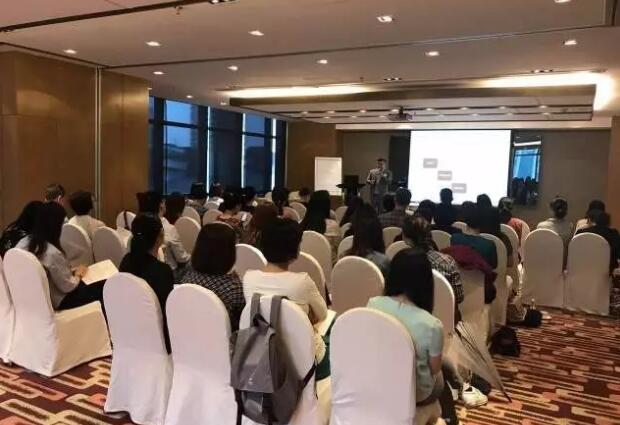
近日,世界ERC組織研討會(WORLDWIDE ERC)在中國上海龍之夢萬麗酒店成功舉辦,本次研討會議題 “大師系列:聚焦大中國區人才轉移趨勢”。圍繞跨國企業進駐在中國、香港和臺灣區域,人才交流的難點問題,通過人才引進流程、相關政策變化、收入變化、住房安置和安全因素等話題展開研究分享,并圍繞人才流動系列案例進行圓桌論壇互動環節。

本次世界ERC組織研討會成功邀請到了盈科外服總裁葉小培先生,發表英文演講。
HR Trends, Challenges and Solutions of Moving People in Asia
亞洲人才轉移的趨勢、挑戰和解決方案
Rafael Ye
亞洲人才轉移的趨勢
HR Trend of Moving People in Asia
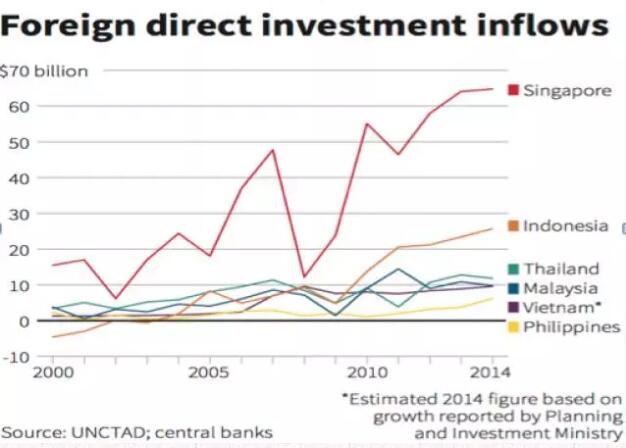
1、跨境投資對人才流動的影響:亞洲國家之間的跨境投資與日激增,而且規模空前;與跨境貿易不同,跨國投資和產業轉移成為人才流動的根本性因素。跨國貿易和跨國投資對人才流動的效果很不一樣;
亞洲正在成為最重要的跨國投資與產業轉移的大熔爐,這勢必也起人才大流動!
Impact of Cross-border Investment on Talents Migration
Asian countries have seen a rapid growth of mutual investment in recent years.
Unlike bilateral trade, the flow of capital and industries are driving the moving of people within the region at an unprecedented pace. As Asia rises as a center for cross-border investment and industry integration, the migration of people is set to become a dominant trend in the upcoming years.
2、亞洲不同發展階段國家的人才流動的目的地和活躍度變化:中國、印度、印尼這樣的大型經濟體,會逐漸成為跨國人才流動的目的國和外派國;而像日本、韓國、新加坡這些較為發達經濟體,跨國人才流動性繼續趨于穩定甚至不活躍;
Changes of Talents Moving Destinations and Talents Moving Frequency between Emerging Asian Countries and Developed Economies.
Emerging Asian economies, notably China, India and Indonesia, will develop into regional hubs for moving talents both in and out. While developed economies, such as Japan, South Korea and Singapore, are expected to see flat or even contracting flow of people on relative terms.
3、人才流動對亞洲國家的影響:亞洲更加發達的經濟體的人才將向發展更快速、機會更多的發展中經濟體轉移,推動整體的亞洲地區的管理和技術水平的提升。同時,一些經濟較落后的經濟體仍然面臨的發達國家及新興國家在高端人才領域的競爭壓力。
How Does Talents Movement Affect Different Asian Countries?
---Considering Management Improvement, Science & Technology Communication and Talents Competition.
Looking forward, the talents in the developed Asian economies will be drawn to emerging economies, seeking more opportunities and greater growth potential. This immigration trend will level up the overall management and technical know-hows in Asia. However, in the meantime, the less developed economies will continue to face competition from acquiring high-end professionals from developed and emerging economies.
(1)比如臺灣人才轉移向中國大陸;
新加坡馬來西亞人才轉移向中國大陸;比如中國大陸互聯網企業在印度,導致中國的一些互聯網人才也向印度轉移,雖然規模還很小;中國的大量的中高低工程建設人才涌向全世界各個基礎設施相對落后的國家,包括亞洲。
(2)同時,像印度、菲律賓這些國家,高端科技和管理人才仍然在外流,以前流向發達國家,現在也出現了很多印度高端醫藥人才、軟件人才流向中國的情況。
In regard to China, we have long observed the incoming of Taiwanese, Singaporean and Malaysian professionals. As Chinese internet companies expand to India, a small number of Chinese professionals are also moving to India very recently. Besides, a large number of construction practioners are pouring into the world where infrastructures are less developed, Asian countries included.
At the same time, in India and Philippines, tech and management professionals have long outflowed to developed countries. But in recent years, we have also observed the inception of Indian professionals in the pharmaceutical and software industries immigrating to mainland China.
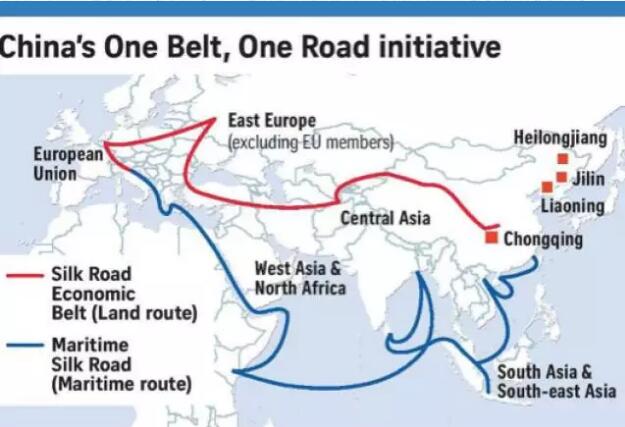
4、一帶一路戰略對亞洲人才流動的影響:中國的“一帶一路”戰略,如果繼續深化實施,會把越來越多的亞洲國家卷入以中國為中心的跨國投資、貿易和人員轉移洪流中。
(1)一方面,隨著產業轉移,中國大量的管理人員、工程師和技術人員輸出到亞洲其他國家。
(2)另一方面,一帶一路戰略,也促使更多的沿線國家,特別是亞洲國家人員,到中國參加各種培訓和教育,促進整體人員的培訓交流水平的提升。
The Influence of “One Belt One Road” Initiative on HR Movement in Asia
The continuous implementation of China’s ‘One Belt, One Road’ initiative will draw more and more Asian countries to a China-centered cross-border investment heatwave, accompanied with trade and moving of people on a vast scale.
In this process of Chinese industries expanding outwards, we will see Chinese management and engineering flowing to Asian countries along the route and beyond. Also, this initiative will draw Asian professionals to China for training and various skills-enhancing programs, promoting better mutual communication and collaboration.
5、中國已經成為亞洲人才流動和交流的中心。這不僅僅指的是往中國的跨國人才更多,而是表現為更加頻繁、多元和復雜。比如:
(1)到中國來的人才更多元-跨國企業高層、外教、留學生-普通管理和普通技術人員;甚至高端科技人員;
(2)很多企業的亞太總部、區域中心正在遷往中國,主要是上海北京這些大城市(未來也可能是新德里或者孟買),更好適應中國巨大的市場和產業中心---而伴隨著區域總部的轉移,人員會受到深刻影響;
(3)更多的中國海歸回國創業或者就業-這已經持續了超過10年,在未來將更加明顯,中國海歸的機會和挑戰并存。
China Becomes The Center of Asian HR Movement and Exchanges
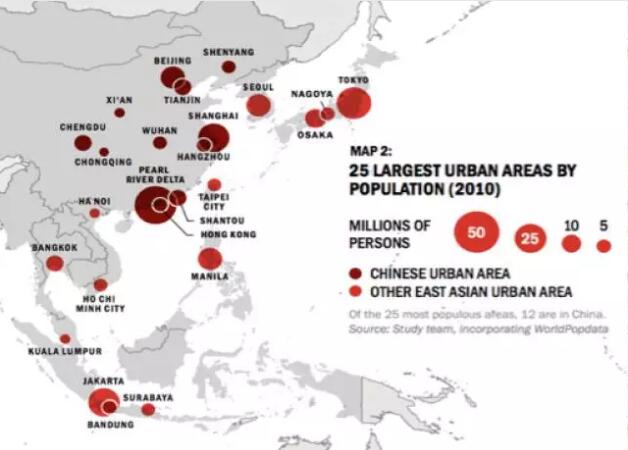
China has become a popular destination for the moving of international professionals in Asia, not only judged by its scale, but also by its complex nature.
To name a few, expats moving to China have seen a diverse portfolio that includes management of multinational corporations, foreign teachers, international students, mid-level managers, skilled workers, as well as top tech professionals.
Many MNCs pivot to China’s vast domestic market by relocating its Asian-Pacific headquarters to megacities like Beijing and Shanghai, and with this their staffs.
In addition, China continuously to attract oversea Chinese students back home for employment or entrepreneurship. This trend has been under current for more than a decade and will be more prominent in the years to come.
案例:根據普華永道在2016年所做的調查,根據隨著中國市場和人才需求的迅猛發展,越來越多的中國人選擇了在海外留學或工作后回到中國。調查報告的61%的受訪者預計在今后兩年內將聘用更多海外華人。“語言能力”(65%)、“能力和知識的轉移”(62%)、“熟悉中國文化”(59%)是“海歸”越來越受歡迎的三個最主要的理由。而至于他們的薪資待遇問題,32%的受訪者表示將依照本地的水平,但有23%的受訪者愿給予海歸外派人員的待遇。調查結果還顯示,海歸雇員通常擔任中層管理(77%)或者高層管理(39%)職務。
A recent 2016 survey done by PwC indicates that, with the evolving dynamics of the Chinese economy and labor market, more Chinese are prone to return China after studying or working aboard. As for the employers, 61% correspondents predict to hire more oversea Chinese in the next two years. Oversea Chinese are favored for their linguistic capabilities (65%), the transfer of knowledge and capabilities (62%), and familiarity with the Chinese culture (59%). As for their salary, 32% correspondents say it will be on par with locals, but 23% correspondents are willing to pay them as an expatriate. The survey also reveals that oversea employees are mostly appointed to mid (77%) or senior (39%) management positions
總體而言,亞洲的跨國人員流動更加頻繁、更加復雜、更加深入。情況類似與上述第5點。因為更多的亞洲-特別是南亞、東盟國家,正在發生深刻變化。
整體亞洲產業轉移、一帶一路的推進、亞洲基礎設施的重建,多重因素疊加,導致亞洲人員轉移更加頻繁、轉移的人員的水平更加參差不齊,轉移更傾向雙向甚至多向。
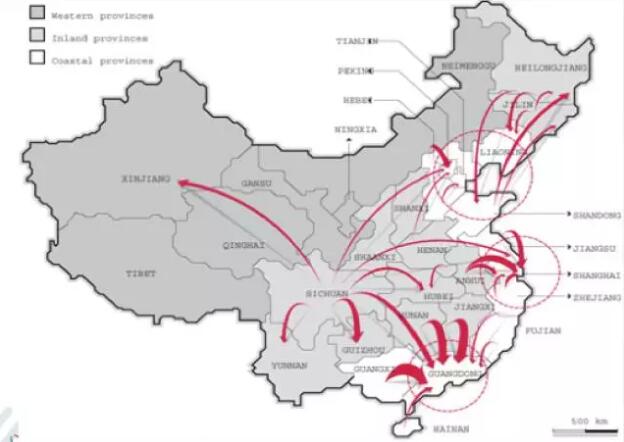
我們只要考慮下中國的春運,你就可以想象,中國的國內遷移是多么復雜和規模巨大(事實上春運也在體現不同的特征)。以后的亞洲國家,特別是中國與南亞、東南亞國家間的人員流動規模和復雜程度,可能會超乎想象。
伴隨著跨國轉移,更多的國家內部人員的轉移趨勢會更加明顯,比如像印度、印尼這樣人口眾多、幅員廣闊、但是內部經濟發展不平衡的國家,國家間的人員流動勢必規模更大、更加頻繁。
Summary of Part I
In summary, the moving of people in Asia is getting more dynamic, diverse and complex, for the abovementioned reasons. Also, Asian countries, especially southern Asia and ASEAN countries are undergoing profound changes:
The transfer of industries in Asia, the implementation of ‘One Belt, One Road’ Initiative, and the revival of Asian infrastructures, are driving the moving of people from different backgrounds, professionals and seniorities in the region. The flow of people is set to be two-way or even multi-directional in the future.
If we solely consider the scale and complexity of Chinese people moving during the Spring Festival, we can grab a good picture of the moving of people between China and South Asia and ASEAN countries.
Last but not least, on a micro level, we will also see populous Asian countries such as India and Indonesia with unbalanced economic development to undergo large-scale, and active moving of people within their vast borders.
挑戰、機會和解決方案
Challenges, Opportunities and Solutions
1、法律制度差異問題:各國在人才準入、薪酬體系、福利制度、勞工保護、個稅征收、存在巨大差異,各國目前嚴重缺乏在人才流動方面的雙邊和多邊協議,嚴重缺乏統籌和共同規劃。這或許和目前亞洲國家的發展水平決定的,同時也是亞洲國家國情差異巨大決定的。
Differences of Law and Regulations: Asian countries share different law and standards on their entry of foreign professionals, payroll, social welfare, labor rights, and taxation of individual income, etc. Currently, Asian countries are in lack of bilateral or multilateral agreements on those key issues, which might be attributed to the different states of development of Asian countries.
2、文化差異問題:巨大的國家歷史文化差異,加上頻繁的人員流動,勢必產生更多的文化沖突。
Culture Differences: as Asian countries share different history, religious and culture backgrounds, the active moving of people will inevitably result in some conflicts.
3、語言溝通問題:這對于很多國家,以前的日本、韓國,以及現在的中國人,都是巨大的挑戰。總體來說,中國大陸高中低各類人才的語言水平都是跨國轉移和人才交流的巨大障礙。
Languages and Communication Obstacles: Language barriers pose a great challenge for Japanese, South Koreans, as well as Chinese professionals in integrating with rest of Asia. Generally, the linguistic capabilities of professionals in mainland China constrains the move of people in the outbound investment wave.
4、薪酬福利問題:各國薪酬體系完全不同,工資標準、福利制度完全不同;薪酬二元制度、薪酬本地化,都是需要討論的問題。
Gaps of Payroll and Benefits: The payroll and employee benefits in Asian countries can differ greatly. And payroll systems like two-tier payroll system or payroll localization merit further consideration.
案例:推動薪酬本地化有困難:根據普華永道在2016年所做的調查,在亞洲國家,49%的受訪者說他們已經將一些職位的薪酬本地化。但是,其中73%的受訪者承認,不到10%的外籍員工接受了本地化的待遇。38%的受訪者認為中國是在亞洲區推動薪酬本地化最困難的地方。印度(16%)位居次席。這和普華永道在新加坡的調查一致。那里的24%的受訪者認為,中國是亞洲薪酬本地化最困難的國家,其次是印度(18%)。
Case Study: The recent push for payroll localization has confronted difficulties. From the 2016 PwC survey, 49% correspondents claimed that they have localized the payroll for some positions. But a stunning 73% correspondents admitted that less than 10% of expatriates welcome this payroll adjustment. Notably, 38% correspondents agree that China is where most difficulties are presented for payroll localization, with India following behind (16%). Similar results were also concluded in another PwC done in Singapore.
5、企業預算問題:亞洲的新興跨國公司在人員遷移方面普遍存在預算問題。在亞洲發達國家,比如日本和新加坡,在跨國人才管理方面的預算方面都比較充足;但是,新興國家,特別是中國,在人員跨境人才管理方面,明顯存在沒有預算,或者預算不足問題。
Stringent HR Budget for Cross-Border HR Movement: While MNCs from developed Asian economies such as Japan and Singapore tend to allocate abundant budget for corporate immigration and so forth, MNCs from emerging economies, especially China, are often in great shortage of such funds.
比如,中國大量新崛起的大型民營企業、上市公司,在跨國人才儲備、培訓、安置方面,完全缺乏概念,沒有戰略規劃、缺少計劃性和前瞻性;更糟糕的是,有的企業愿意支付較高的跨國人才工資,但在人員安置、子女教育費用、配套設施和福利方面,缺乏準備和必要的預算。
For example, some newly rising private Chinese companies or even public listed companies exhibit a lack of vision, planning and strategy for acquiring, training, and relocating qualified expatriates. Even worse, though some companies are willing to pay generously to expatriates, they are reluctant to invest on relocating-related programs, such as children education, additional infrastructures and benefits.
6、供應鏈管理和外包能力問題:跨國人才轉移是涉及跨境人員的薪酬福利、人員安置、稅收繳納、簽證手續、子女教育等一系列問題,并不是簡單的人員外派問題。
HR Supply Chain Management and Outsourcing Capabilities: The immigration of expatriates involves the transfer of payroll and benefits, relocation, taxation, visa and education of their children, this complex subject goes beyond a seemingly straightforward dispatch process.
在不熟悉的國度進行投資,對跨國公司提出了很高的管理和經驗要求:首先:對跨國公司的人力資源部門的工作人員的專業化水平提出更高要求,要求他們必須具備很強的跨境HR管理能力。其次,跨境安置勢必要使用第三方專業機構,這對跨國公司HR部門、以及第三方專業機構工作人員的跨境HR供應鏈管理和外包能力提出很高的要求。問題是:他們準備好了嗎?
Investing in an unfamiliar country poses great challenges on the management expertise of MNCs. The Human Resources of a MNC need to develop capabilities to manage oversea employees. Besides, as oversea relocation involves third-party agencies, they need to carefully solicit and collaborate with the right third-party outsourcing agency. The question is: are those MNCs readily prepared?
Summary of Part II
貨物、技術、資本的流動,伴隨這是人員的流動;而相對來說,人員的流動更加復雜、更加麻煩。因為人員流動需要配套的東西特別多,有時候特別麻煩、特別脆弱。
The move of goods, technology and capital goes along with the moving of people. And the moving of people is of inherent complex nature, and requires exhaustive efforts and work.
人要吃喝拉撒,人有七情六欲;人有歷史、教育、文化、家庭、風俗、習慣,各種各樣的因素的影響。這在亞洲國家人員流動中的影響會更加明顯:因為亞洲太大、太多國家、太多民族。
Humans have desires and needs. Each has his own narrative of history, education, culture, family, customs and habits. These factors will play out differently in the moving of people across Asia, a continent of great number of nations, religions and ethnics.
我相信這也是在座我們每個人,每位HR專業人士需要、且正在考慮的問題。我的演講,說了一些泛泛的趨勢,提出了一些我們面臨的問題、挑戰和機會,但是并沒有確切的解決方案,只是希望拋磚引玉,和各位共同商討,謝謝大家!
I believe those are the issues lingering in the minds of our guests and HR professionals. My brief speech only elaborated on the tip of some profound topics. I pointed out the problems, challenges and opportunities that we are facing. However, I do not have reassuring solutions to those problems and challenges. Hereby I’d like to extend my thoughts and discuss with you on those interesting topics.